
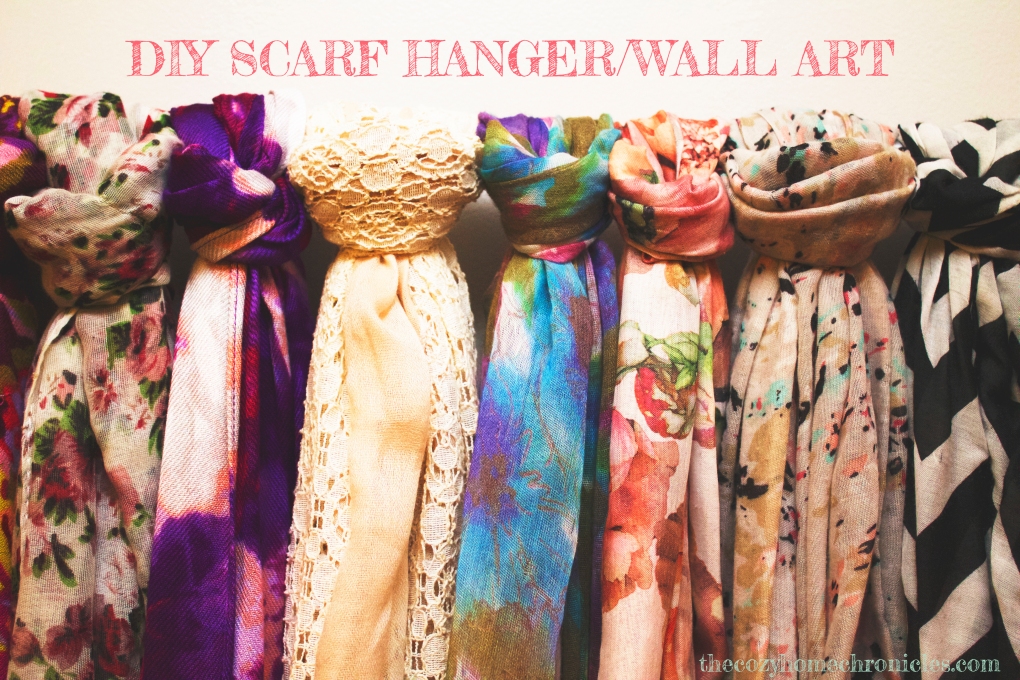
DIY: Scarf Hanger/ Wall Art

IMG_8924

If you’re like me and wear scarves daily, you likely have tried everything to keep them organized. All in vain. Whether folded away in a drawer or strung up away in your closet on some fancy loop hanger, the end result is always the same. Utter chaos. The drawer scenario is just a hot mess unless you don’t mind the daily maintenance of folding and refolding all the scarves you’ve dug through to find the one that matches your outfit. The loop hanger is simply impractical if you have more than 5 scarves, especially if they are longer in length. If you can actually fill every loop, it becomes very heavy to pull out and eerily resembles Cousin Itt. Does this sound familiar?

cousin it

Tell me your closet scarf hanger doesn’t look like this.

So I was organizing my closet this past summer when I realized that something had to be done about my scarf disaster. I thought about what I really wanted: a clean and aesthetically-pleasing look, easy accessibility, and fairly effortless organization/maintanence. And economical. I wasn’t about to build a walk-in closet for my scarf collection. After a visit to Michaels, Hobby Lobby, and Ikea for inspiration, I decided that I wanted to hang my scarves out in the open. I ran it by my husband first just to make sure he was okay with the thought of my scarves hanging up visibly on our bedroom wall. I told him that I imagined it as an art piece; like a tapestry… made of scarves. He was totally on board and actually thought it would look pretty cool. The design I had in mind was a linear arrangement, so I settled on a simple steel rail from Ikea to achieve the look. If you want to get fancy there are no shortage of options but I figured, since the scarves cover up the rail, it didn’t really matter what the rail looks like. Plus, the whole point of a DIY is not to throw away more money. I really wanted to make this solution cheaper than your basic scarf hanger/organizer and I can proudly say that it is. Lastly, I didn’t want to be a scarf hoarder so I went through my collection and donated whatever I hadn’t worn in the last year or two. For that reason, I went with two small rails that fit between 10-12 scarves each. If you have a bigger collection, by all means, go with a bigger rail. Without further ado, here’s what you’ll need and how to put it all together.

Total Cost= $5.98 (2 Bygel rails)
Completion Time= 20 minutes


NOTE: There are a number of ways to hang your scarves up on a rail. All you need is a bit of creativity.  I started first by hooking them up with the complimentary Bygel S-hooks (they’re only $0.99 for a 10-pack) but I just didn’t like the way it looked. Personal preference. You might try it and find that you like it way better than looping them around the rail. Do what you think looks good and makes for easy accessibility.

IMG_9097

What you’ll need:
Bygel rail (Ikea)
Bygel S-hooks (optional)
Builder’s level
Pencil
Power Drill
Screws (4 per rail)
Screwdriver
Drywall Anchors (This pack comes with screws so no need to buy them separately)
Creativity

Directions:

  1. Pick out a good location to place your rails. You’ll want somewhere with easy access: free of obstacles and not too high because you will want to be able to reach your scarves without straining yourself. Most importantly you’ll want a space where hanging scarves won’t look odd.
  2. Once you’ve picked your spot, hold up the rail with the Builder’s level, making sure it’s straight, and mark with your pencil where you will drill your holes.
  3. Drill very small holes over each of your markings and then use a screwdriver to secure your drywall anchors in the wall.
  4. Hold up your rail, aligning the holes in the rail to the now anchored holes and screw in the rails. It’s really that easy!
  5. Get in touch with your artsy side and organize your scarves into whatever pattern or design you like.

IMG_89276. Once you have settled on your design, all that’s left to do is to hang up your scarves and enjoy the awesomeness that is hassle-free scarf organization.
IMG_8960

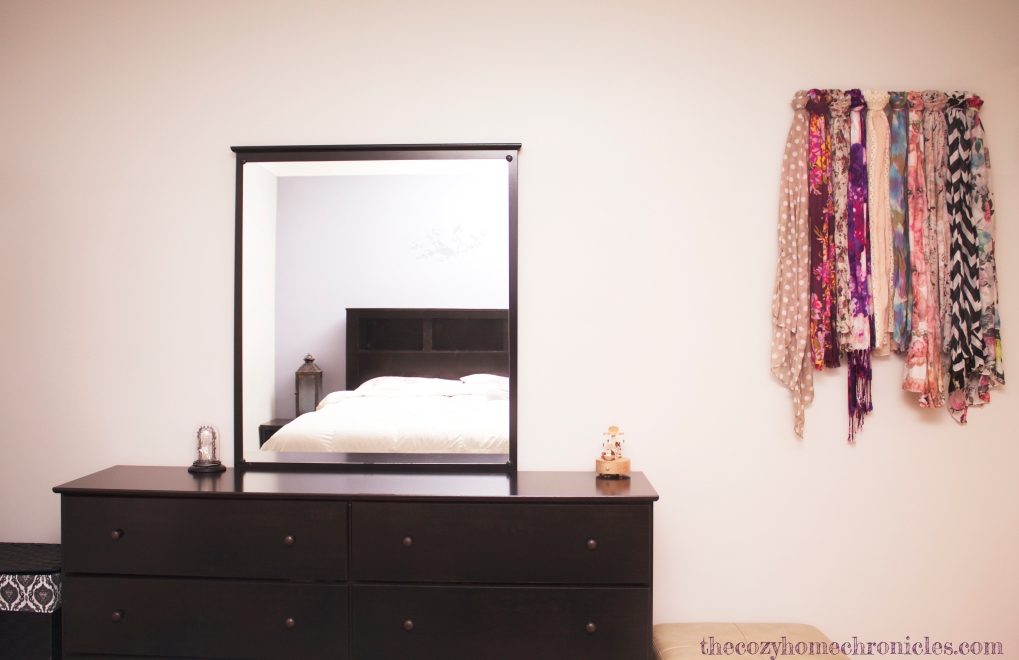
As I mentioned above, I tried the look first with hooks but wasn’t too crazy about it so I took them down and looped my scarves around the rail. Other than that it was smooth sailing. I ended up installing two rails: 1) on the wall and 2) on the back of the door. Since the one on the wall was going to be a central piece of the room, I opted to showcase my floral, pastel, and colorful scarves to accent the light gray and lavender walls we have.  I’d be lying, though, if I told you I didn’t have any hesitations about how this would turn out but I am happy to report that I love the result. Any thoughts? I would love to hear your comments and suggestions about scarf organization. What has worked or not worked for you? Would you put up something like this?

If you liked this post please follow us and share!


Cloth Diapering Newbies: Part II

IMG_8851

If you read our last post (Cloth Diapering Newbies Part I) and feel like you warmed up to the idea of using or switching to cloth diapers but still have some hesitation about the daily ins and outs of cloth diapering, then this post is for you. So you are considering buying a stash of diapers, how many do you need? How often do you have to wash them? And how do you store the smelly demons until you wash them? If these are the questions you’re having, keep reading. We hope to have answers for you!

How many diapers does a baby need a day?

Newborn babies poop and pee constantly so you will need between 8-12 diapers a day since you’ll be changing them about every two hours. As our baby got older he started averaging around 8-10 a day and did not need more than two changes throughout the night. We have diapers specifically set up for bedtime that we place two inserts in and for the most part he gets through the night without leaking (10:30pm-7:30am). Basically if you’re planning to cloth diaper on a full time basis and do laundry every 3rd day, like us, you will need to have around 32 diapers at the minimum. By the time it’s laundry day, our baby has gone through around 24-27 diapers which leaves us with 5-8 diapers while the rest make their way through the wash. This leads us to the next question…

How often do I need to do diaper laundry?

As I mentioned above, we try to wash our diapers in the morning every 3rd day. So if we wash them Monday morning we won’t do laundry again until Thursday. Every now and then, we will do an extra load a week but for the most part we wash them 2-3 times per week. The more diapers you have the less often you have to wash them but even with our humble stash of 32 we are able to make it work. To think of it another way, we usually know it’s time to do laundry when we have 5 folded diapers left on our changing table shelf. By the time the remaining 27 diapers are washed and dried (5hours later), baby has gone through about 3 diapers so we always have a cushion of 2 diapers. If you decide on a smaller stash, say 24-28 diapers, you will probably have to do laundry every other day. It really comes down to what you are comfortable doing and what you can afford.

“I heard about these wonderful things called ‘flushable diaper liners,’ should I buy them?” Can I flush them down the toilet?

No, no and no! Just no. Cloth diaper liners are technically (and in a perfect world which doesn’t exist) a way to keep your diapers from getting stained and keep you from having to clean them more vigorously by hand.Yes, the labels say FLUSHABLE, but NO, they ARE NOT SAFE FOR A NORMAL SEWAGE LINE! We speak from personal experience and a nice $200 to the plumber who snaked out 4 months of these liners. They were clearly not biodegradable like they said they were. We should have known when they made it through our washer and dryer on accident but we naively trusted the label. Would you flush baby wipes or Clorox wipes down the toilet? If your answer is no then you wouldn’t want to do that for these as the material they are made out of is pretty much the same. In other words, don’t waste your time or money on these. If you’re going to cloth diaper, you have to be okay with occasionally getting your hands dirty.
 

What type of diaper pail should I get? Will it keep the lovely scent of poop away?

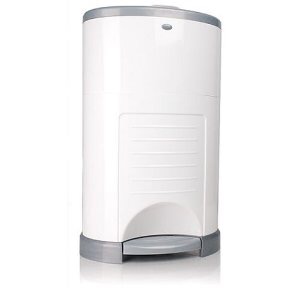
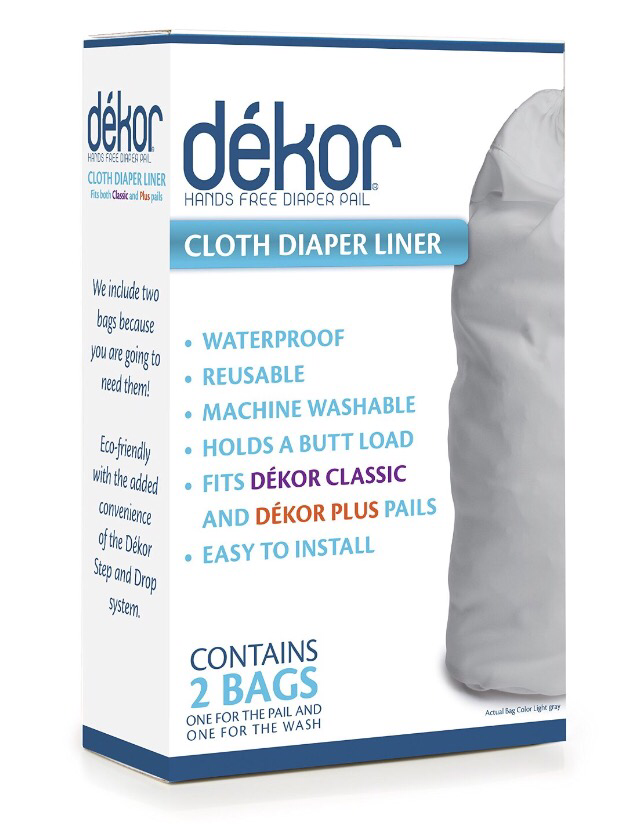
There are many diaper pails out there that are made specifically for cloth diapers. We’ve seen people use your everyday trash cans but we personally did not want to take a chance with the smell. After a bit of research we decided to go with the Dekor Plus because we liked its design with 2 flaps, which helps to keep the nursery odor-free. The only downside to the Dekor is that because cloth diapers are bulkier than disposable diapers, it fills a lot more quickly. Which means diaper laundry every 2-3 days. We personally don’t mind and it’s a sacrifice we are willing to make but if doing laundry that often is not in your plans then cloth diapering might not be for you. Other than that we would personally recommend getting the Dekor pail and purchasing the 2-pack Cloth Diaper Pail Liner to go along with it.

These pail liners are machine washable-we just empty the diapers & inserts into the washer and toss the bag in right after. And since there are two, you’ll always have a liner in the pail even when it’s laundry day.

We also recommend getting a wet bag to keep in your diaper bag to contain dirty cloth diapers when you’re out of the house. We have one that came with our set of Adovely diapers but you can purchase one separately for pretty cheap like this Diaper For A Change, Inc on Amazon.

What about the water bill that will come crashing down on me like the hammer of Thor?? 

I work in finance so I know my numbers. I had always heard the retort that cloth diapers don’t save money or the environment because of the use and cost of water. This is simply a myth. After we switched to cloth diapers, I created a schedule in excel keeping track of how many times we washed our diapers in a week. Turned out we were averaging around 2-3 laundry days a week for a total of 12 a month. The damage?  Our water bill has gone up on average between $5-10 a month. This is nothing compared to the cost and waste of baby wipes and the plastic bags to contain them.

So what now?

If, after all this,  you’re still seriously considering cloth diapering but are not sure if your lifestyle can accommodate the washing and drying of cloth diapers then check back soon for Part III which will cover all the specifics of what diaper laundry entails. Our hope is that if you really feel strongly about cloth diapering but find it intimidating, you no longer will.

If you liked this post please follow us and share!

Easy Chocolate-Walnut Biscotti

IMG_8775

We love our tea time and nothing beats tea time except tea time + yummy homemade goodies. These chocolate-walnut biscotti are the perfect accompaniment to tea and coffee: sweet, but not too sweet, and crunchy and nutty and perfect for dunking. They’re also super easy to whip up. We always have fresh walnuts on hand so that’s what I used but you can substitute any nut really. Just be prepared for these addicting treats to become a permanent feature (and highlight) of your cozy morning or evening tea-ventures.

IMG_8758

Easy Chocolate Walnut Biscotti

  • Difficulty: Easy
  • Print

Ingredients
2 cups of all-purpose flour
3/4 cup of sugar
1 1/2 teaspoons baking powder
1/4 teaspoon salt
1 stick of butter (room temperature)
2 large eggs
1 cup of chopped walnuts
1/2 cup of semi-sweet or dark chocolate chips

Directions

  1. Preheat your oven to 350 degrees Fahrenheit and line a baking sheet with parchment paper.
  2. In one bowl, beat the sugar, salt, butter, and eggs (one at a time) until smooth.
  3. Pour in the sifted flour and baking powder and mix well until it forms a dough-like consistency. As the mixing becomes more difficult, I flour my hands and knead until smooth.
  4. Add in the walnuts and chocolate and knead by hand for a few minutes until the nuts and chocolate are evenly spread throughout the dough.
  5. Place your dough on the baking sheet and shape it into a log (about 12 inches long, 2 inches thick) using your hands.
  6. Bake until light golden brown about 30-40 minutes. Let cool for 20 minutes.
  7. On a cutting board, cut your log into 1/2 inch thick slices using a sharp serrated knife. I also cut these slices in half as I like my biscotti more bite size.
  8. Place each slice side-up on the baking sheet and return to the oven to bake for another 15-20 minutes or until a deeper golden brown.
  9. Move your biscotti to a rack and let them cool.
  10. Brew some delicious tea or coffee and enjoy 🙂

IMG_8824

If you liked this post please follow us and share!


Install a kitchenette in less than 4 hours

IMG_8409

Back to some exciting DIY for this week’s blog post.

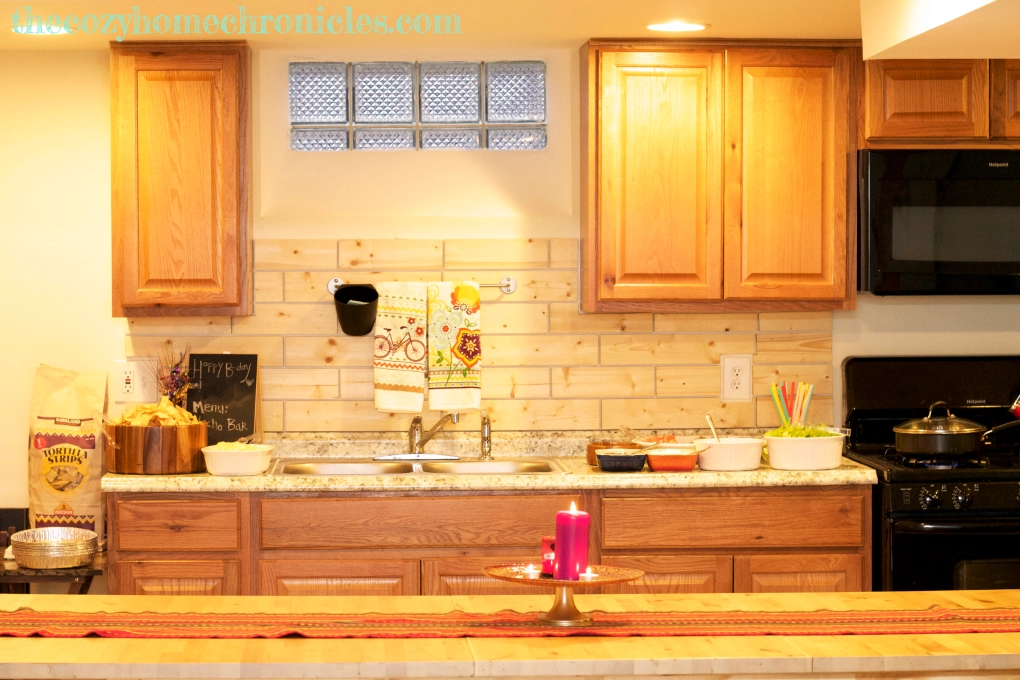
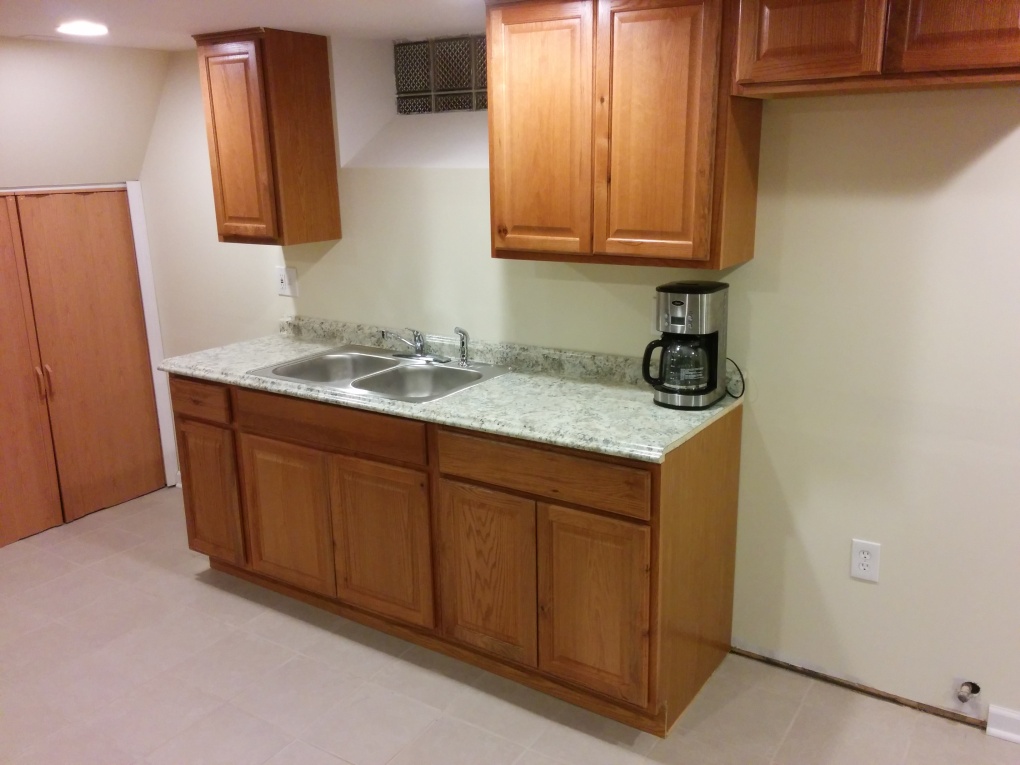
From the minute we decided our house was “the one,” we knew that we would be finishing our basement. Creating a space where we could host family and friends was something super important to us, so it was a no brainer that we would need a small kitchen to warm up food and stock our ice cold Izzes and Dr. Betters for those game nights and birthdays. In just 4 hours on a Memorial Day Weekend, my wife and I put together a little kitchenette for the basement. So if you’re looking for tips or inspiration on how to install a kitchenette or replace a small-sized kitchen, follow along as we go through all the details of how we purchased, prepared, and put it all together in record time.

Total Cost (Cabinets, Countertop, and Sink)= $1,037.94
Prep Time: 3-4 hours
Dry Time: 8-24 hours

Cost Breakdown
Counter-top (8ft) = $95
Counter-top Endcaps = $12.98
Base Cabinet (36in) = $195
Base Sink Cabinet (36in) = $136
Base Cabinet (12in) $99
All-in-one Double Sink = $119
Top Cabinet (36in) = $209
Top Cabinet (30in) = $83.30
Top Cabinet (12in) = $73
Cabinet Screws = $8.26
Painter’s Tape = $3.93
Liquid Nails = $3.47

Tools you will need
Jigsaw (Ryobi)
Power Drill
Tape Measure
Light Hammer
Marking Pencil
Shims
Builder’s Level

Plans and Preparations
Before we get into the installation process there is one super important step to pulling this off successfully: PLANNING. The planning step involves three parts:

  1. Measuring your space
  2. Designing your kitchen
  3. Picking out cabinets and appliances

When it comes to designing the space you have to remember that things can spiral out of control if you don’t measure accurately and purchase standard cabinets that can be installed against the studs in the walls. If you don’t have a stud-finder, invest in one. They last forever and cost only around $20. We used the Ikea kitchen designer tool (it’s free) to input the measurements of the space (ceiling height, walls, door, etc) and figure out how many cabinets we would need. For our design we opted for a simple, straight clean line with a rustic farm table across.

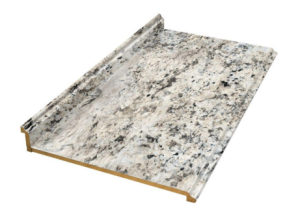
After we settled on the design, we picked out our countertop and wood cabinets (in medium oak) from the Home Depot in-store selection. They had a 10ft and a 8ft long countertop but we opted for the 8ft because we did not want our kitchenette to be bigger than 7ft.  Home Depot has a really nice selection of laminate countertops with a faux marble look and 1) if you’re working on a tight budget or 2) you don’t care because it’s just a basement kitchen, this is the route to go! We did call a contractor for an estimate on granite countertops and it would have cost us a pretty penny so we decided we would save that for when we remodel the main floor kitchen. Plus for the cost of the granite alone, we were able to do a decent sized kitchen.

Countertop pic 1

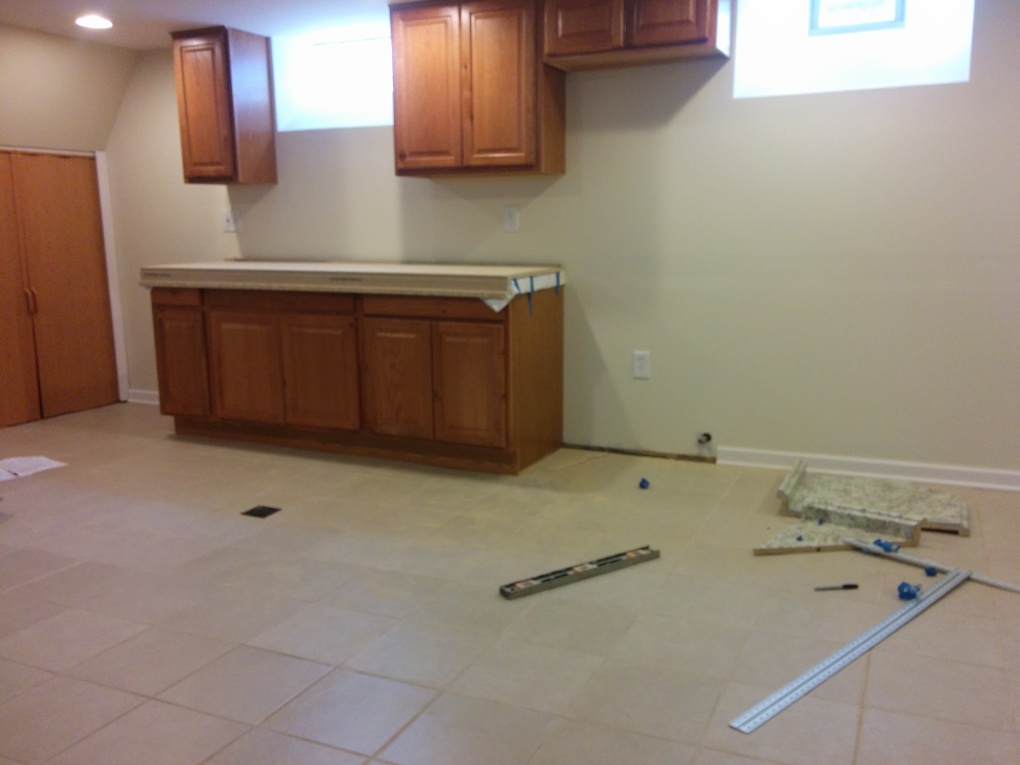
For the base cabinets we purchased (2) 36 inch and (1) 12 inch cabinet which put us at 84 inches (7ft). Below is the order in which we aligned them per our design. Note that one of the 36 inch base cabinets is a sink base cabinet, which means that it is intended for use with a sink installed on top and thus lacks a drawer.

For the top wall cabinets we purchased a 12 inch, a 30 inch and a 36 inch cabinet.

Once you have your measurements, the final design, and cabinets & countertop, you can begin the simple installation process.

Installation

1. This first step is ESSENTIAL. You will  need to make sure all the cabinets are LEVEL as you place and fasten them. I cannot emphasize the importance of this.

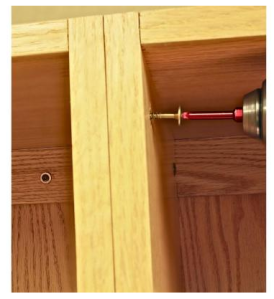
2. Find the studs in the wall and fasten the cabinets against the wall using two cabinet wood screws for each cabinet (one on top and one the bottom). After fastening them to the wall, you will have to secure them together using the wood screws (see picture below courtesy of Home Depot)  join cabinets

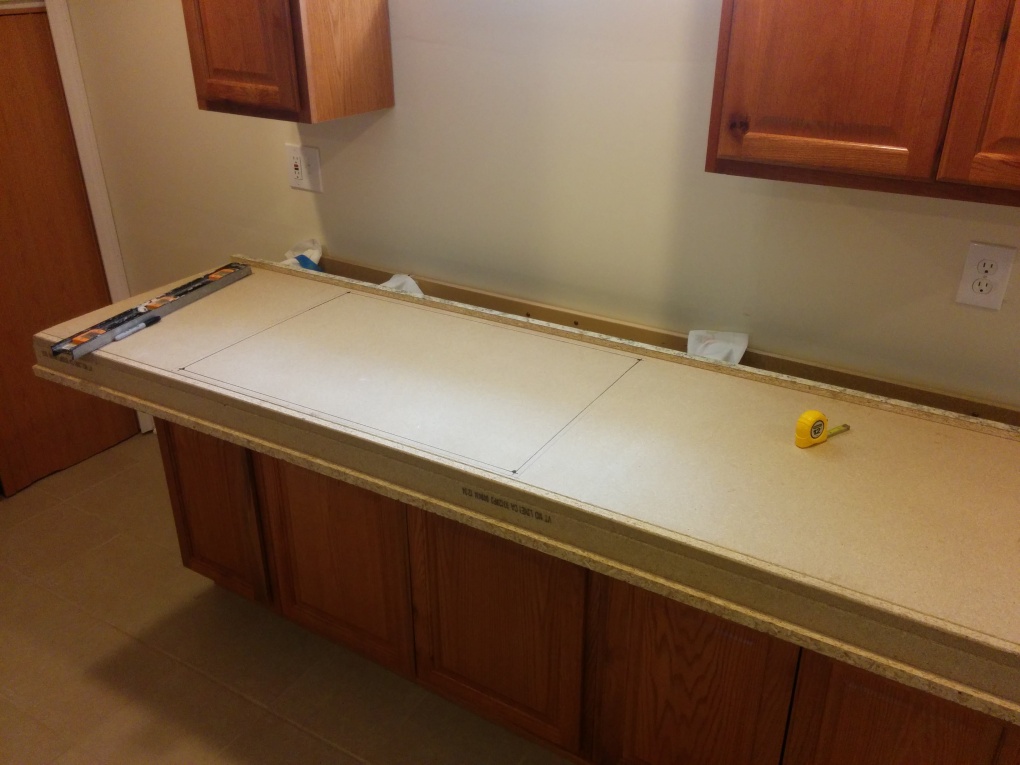
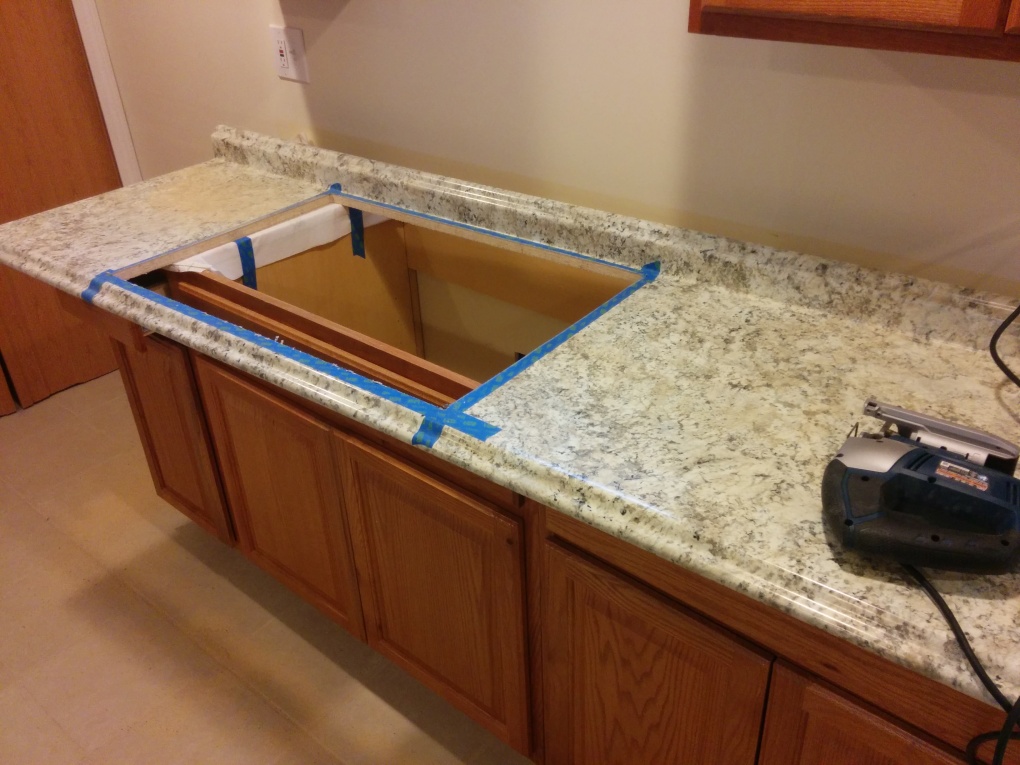
3. Once all of the cabinets are secured in place, you can begin to 1) cut the counter-top to the desired length and 2) cut out the area for the sink.IMG_20140803_140939Before you cut the counter-top, make sure you have it fastened to a solid surface and completely stable.

  • Measure the counter-top at least twice to make sure you are going to cut it at the right place and mark very clearly on the unfinished side where you will cut it. WARNING: If this step gets ignored you will have to buy another counter-top, there is no way around it.
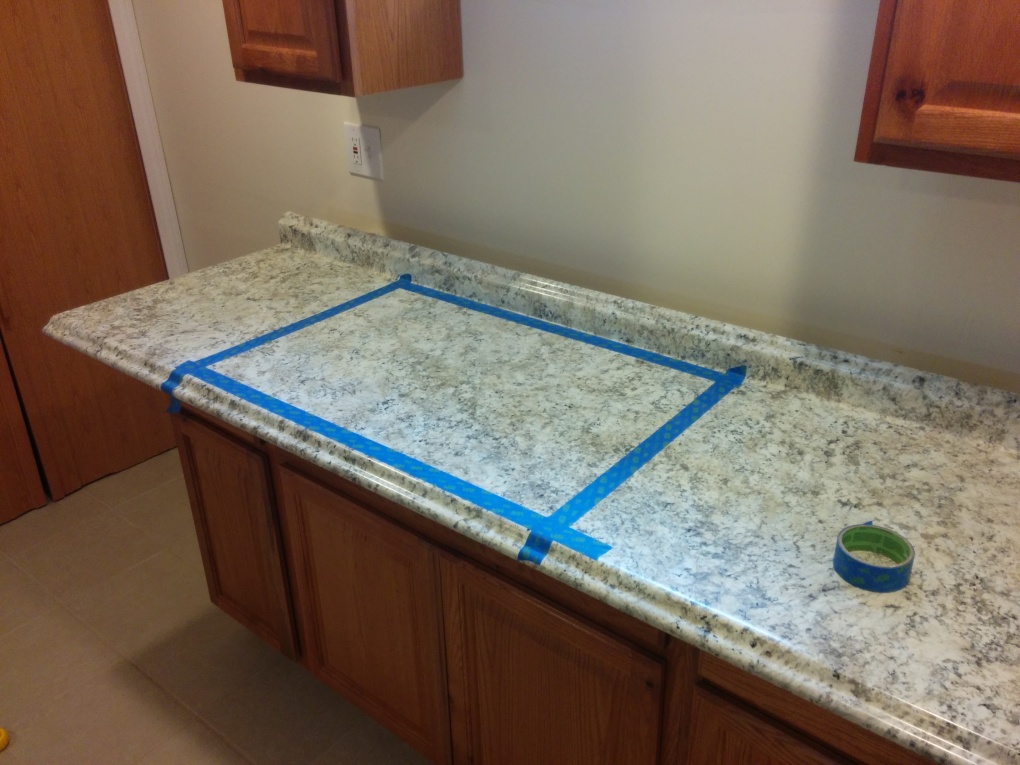
  • You will also need to measure the finished side and lay painter’s tape over your marks. This is necessary so that the jigsaw does not damage the finished surface when you are making the cuts (see pictures below).
  • To cut out the area for the sink, I drilled a small hole in one corner of the markings so I would be able to use the jigsaw from that starting position. If you don’t do this, it will be really hard to cut through in the middle of the countertop.

IMG_20140803_142512IMG_20140803_142714IMG_20140803_144140

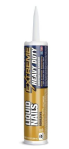
4. Once all your cuts are made, you can go ahead and glue the countertop to the base cabinets using a generous application of Liquid Nails. (Note: make sure you don’t scratch the countertop when flipping it or when placing it on a different surface.)

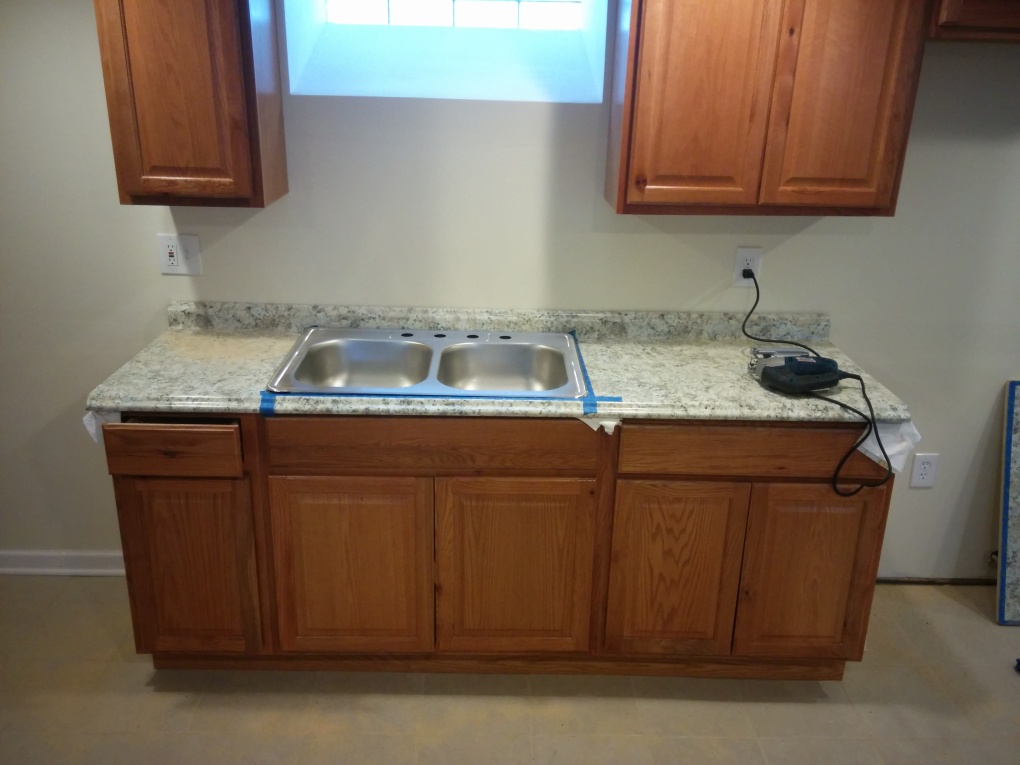
5. If you’ve chosen to include a sink in your plans as we have, you can install this after the glued countertop has dried (minimum 8 hours). 99% of all-in-one sinks come with directions so follow them closely as each sink may be different. Our sink came with fasteners at the bottom that you twist and adjust easily against the countertop. It was super easy and didn’t take us more than 10 minutes to put in. To get the sink running we hired a professional plumber to connect things at a later time.IMG_20140803_144230IMG_20140803_212644

6. Finish up the space with your choice of appliances and an awesome Ikea table and you are all set to start planning your next dinner party or movie night 🙂

Reflections and Tips

  • Can’t decide on a design? A Sunday stroll through Ikea’s kitchen showroom with some hot sticky Kanelbullar is the perfect way to get inspired.
  • Plan your project ahead of time to coincide with big savings offered by major retailers. As I mentioned earlier, we did our kitchen on Memorial Day Weekend so we got a great deal on our cabinets(15-25 % off the listing price) and appliances. Labor Day and Black Friday are also great times to plan around.
  • When designing your kitchen, choose a layout that takes advantage of pre-existing plumbing (and electrical outlets) so you are not stuck hiring a plumber to do costly rerouting.
  • Installing a kitchen sink is a little tricky and you can either do it before or after you finalize the countertop. I did this step after I had glued the countertop to the base cabinets which meant I had to work in a tight, cramped space. If I had the chance to do this installation again, I would install the sink before mounting it and gluing it to the base cabinets.

If you liked this post please follow us and share!

signature3


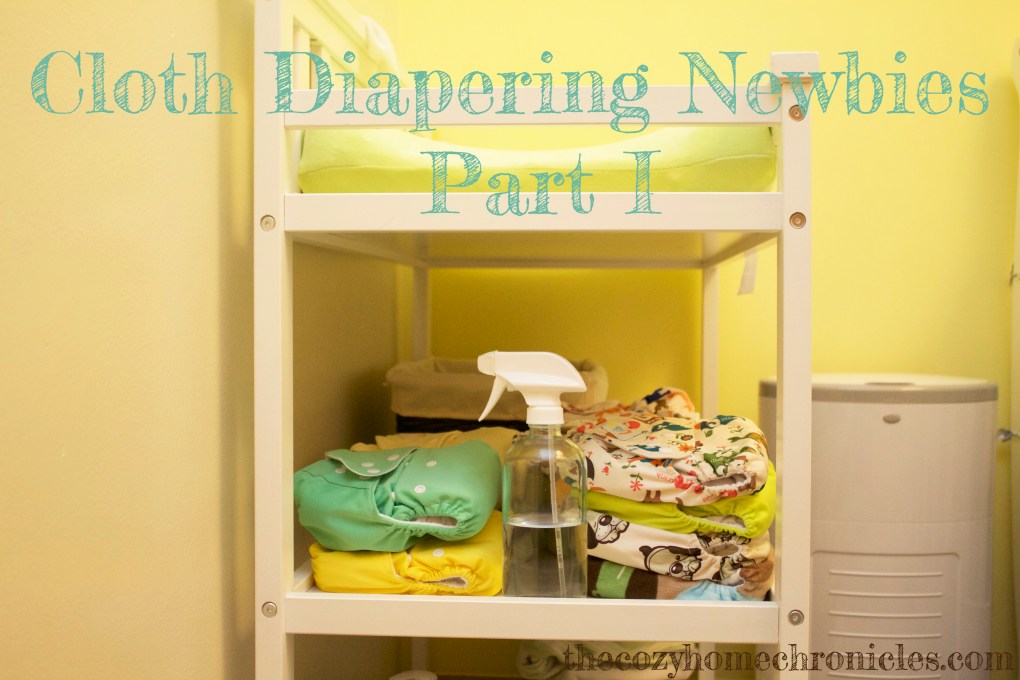
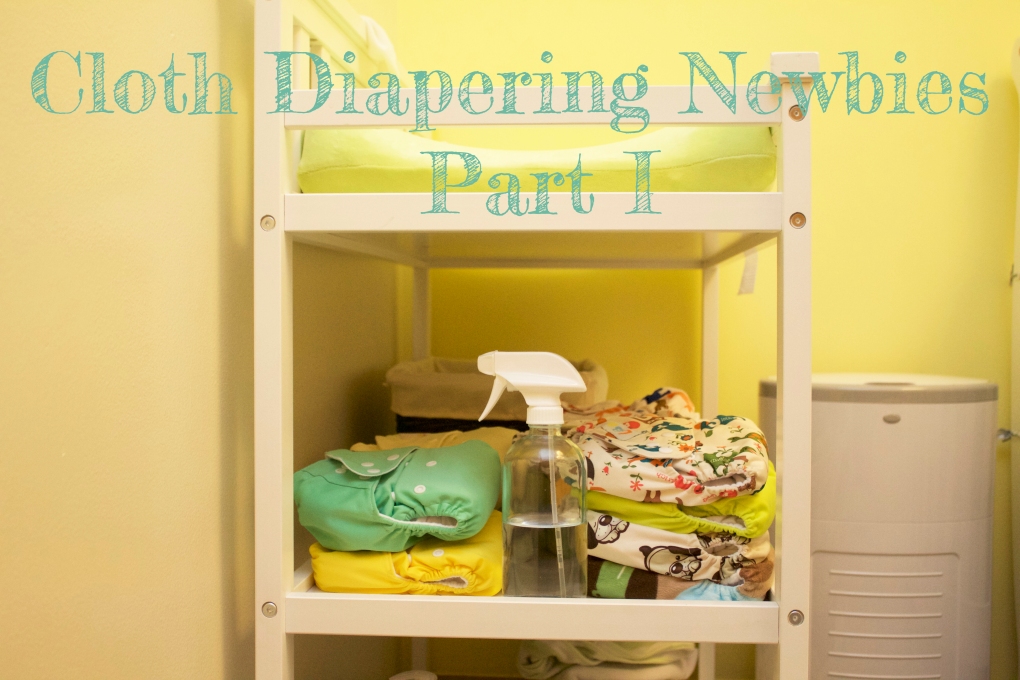
Cloth Diapering Newbies: Part I

CD post

For all of you soon-to-be and current parents wondering what is the deal with CLOTH diapers, here is our spin. We will split this topic into several posts because let me tell you: There is a lot of ground to cover. Most of the useful information we found on cloth diapers came from Youtube. But who has time to sit and watch several 20 minute long instructional videos? Not to mention, we had to dig around a lot because much of the information was scattered around. How many diapers to buy? How much is it going to cost? We hope that we can give you the answers you seek and more. This first post will be about why cloth diapering, what kinds of products are out there, and how much things are going to cost. A little back story to clarify our position before we start.

  • We had our first baby in June of 2015 and before that the cloth diaper question had come up quite a bit in our circle. We looked further into it and decided it was something we felt strongly about doing.
  • Our baby arrived six weeks earlier than his due date and was too tiny to fit into cloth diapers. We basically had to use disposable diapers until his thighs were chunky enough to fit in and it’s been nothing but a positive experience ever since.
  • We strive to be conscious consumers on all levels. Just because you can buy anything and everything in this day and age, doesn’t mean you should.
  • So why not disposable diapers? The thought of us adding some 7,000+ diapers to pile up in growing landfills did just not sit well with us. Not to mention the idea of literally throwing away between $1600-$2200 of hard-earned money that could go toward baby’s college fund.
  • Last but not least, cloth diapers are gentler on baby’s little buns because they don’t contain a gazillion chemicals to suppress smells and absorb liquids. This was something that was also confirmed to us after we switched to cloth diapers full-time. With the cloth diapers, baby rarely had any rashes.

So where do you start? You have heard about plenty of cloth diaper brands that have been around for the last 10-15 years with good/average reputation, but you don’t have the time to sift through Amazon reviews and commit? Despair no further! We have tried to do that job for you and answer some of the questions we had as we began this cloth diapering journey.

What brand(s) should I buy?

What are the pros and cons of each brand?

Is it affordable? What is this going to cost me?

Where can I buy cloth diapers?

Read More


Hide a Basement Pole in Plain Sight

diypole

One of the projects you’ll hear a lot about from us is our basement project. Long story short, we bought a ranch that needed some TLC just before our wedding and we have been working on it ever since. We fixed some minor things on the main level just in time to move in and shortly after we began the 9 month long basement renovation. Everyday, after work and school hours, we would change into costume and take up hammers and paint brushes in a bid to reclaim our homeland. Well, sort of. Anyway, as we neared the final stretch, one of the things we noticed was that, after all our hard work, the weight-bearing poles stood out like SORE THUMBS. We thought long and hard, did our research, and in the end came across these awesome pole-wraps from Home Depot. We wanted to save space so the pole-wrap was perfect because it wasn’t too bulky and it also fit with the woodsy clean look we were going for. You can stain these poles if you want but we like the bare wood look so we kept them as is. With that being said, here’s what you’ll need and how to do it!

Total Cost= $242.50
Pole Cover (3)= $44.28 x 3= $132.84
Pole Cap and Base (3)=$32.93 x 3= $98.79
Liquid Nails (2)= $3.47 x 2= $6.94
Painter’s Tape(1)= $3.93

Prep Time: 1 hour
Dry Time: 8-24 hours

Directions

  1. Thoroughly wipe and clean your basement poles from any dust/glues and let them dry. If you don’t do this step, the glue won’t stick properly
  2. Buy the pole cover package from your local Home Depot – * *Note that they come in multiple sizes and materials, so measure the pole before you pick one up. The brand is “POLE-WRAP,” pretty self-explanatory. We picked out 96×12 in Oak.
  1. Don’t buy just any adhesive, make sure that it works for binding wood & metal. I personally opted for Liquid Nails (which has never failed me). I used two tubes for 3 poles, and yes, I was excessive.
  2. Measure the pole’s width and use that measurement to cut any excess pole cover with a utility knife. You’ll want to do this before applying any adhesive as it will be stickier and messier to do later.

liquid nail

  1. Apply adhesive evenly on the inside of the pole cover and carefully wrap it along the pole. Use painter’s tape to wrap around pole cover tightly until the adhesive sets and dries. We let our poles dry for a full day before we finished the look with pole caps.
  2. Apply adhesive to the bottom and top of each pole cap and place carefully around the pole. Apply plenty of pressure to make sure they are firmly in place. Use painter’s tape to keep the caps in place while they dry and set.
  3. Enjoy how awesome your space looks with this minor DIY makeover. Seriously, it made such a difference!


If you liked this post please follow us and share!


You’ll never buy gift wrap again

IMG_8423

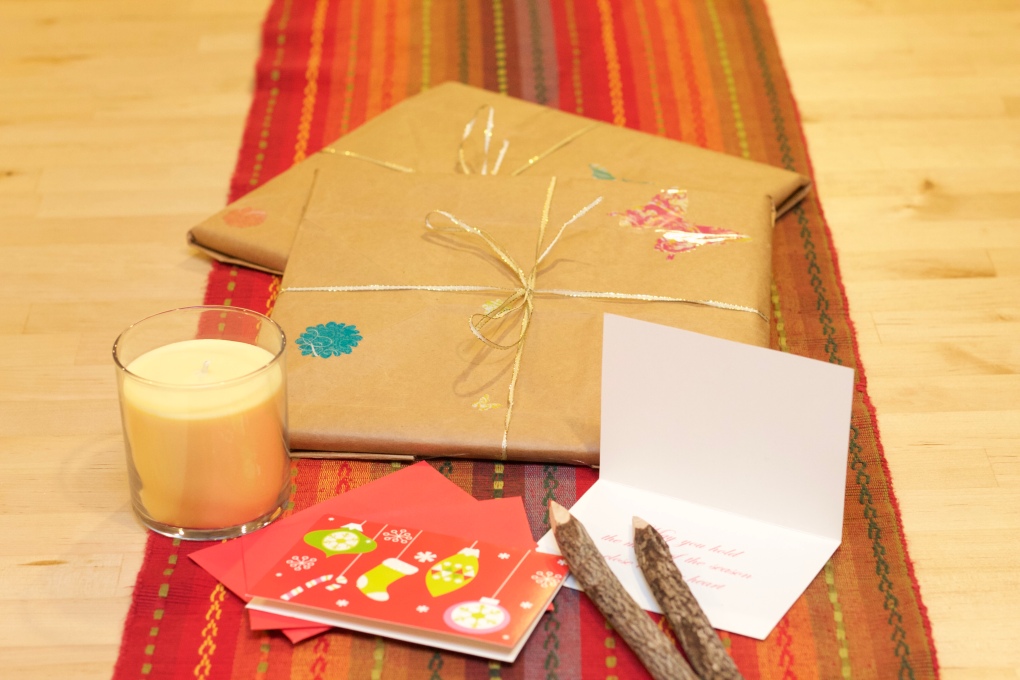
The holidays have creeped up on us once again (Seriously, where did the time go?) and for those of you who have saved shopping for the last minute, buying wrapping paper is the last thing on the endless list of to-dos that you want to make time for. In the holiday spirit of recycling (and saving you some time!) here’s a quick idea for a DIY rustic and personalized gift wrapping.

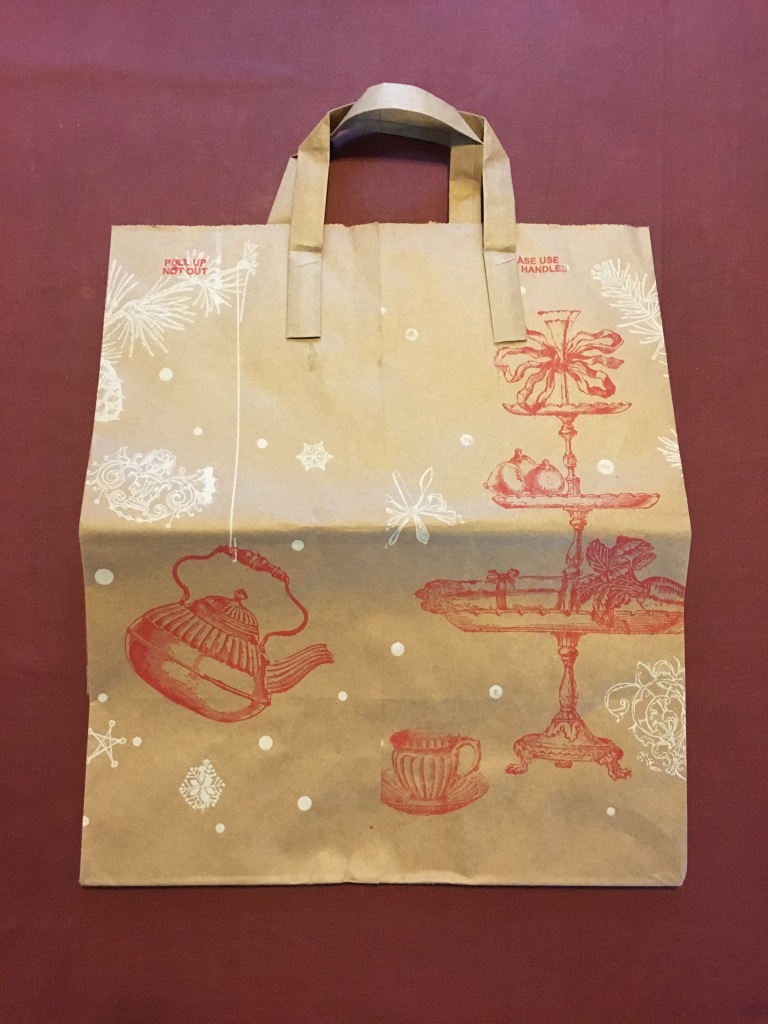
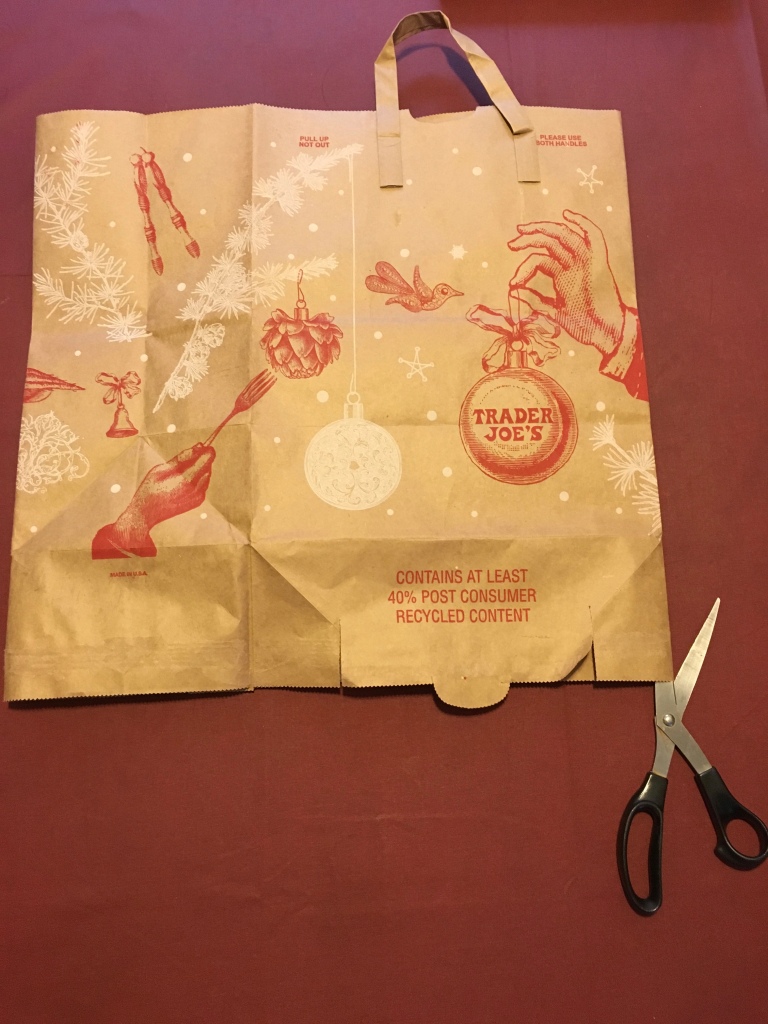
If you save gift bags and grocery store paper bags then you’re in luck!  We personally have a stash of Trader Joe’s paper bags that we keep around for multi-purpose use. But any large paper bag fits the bill.

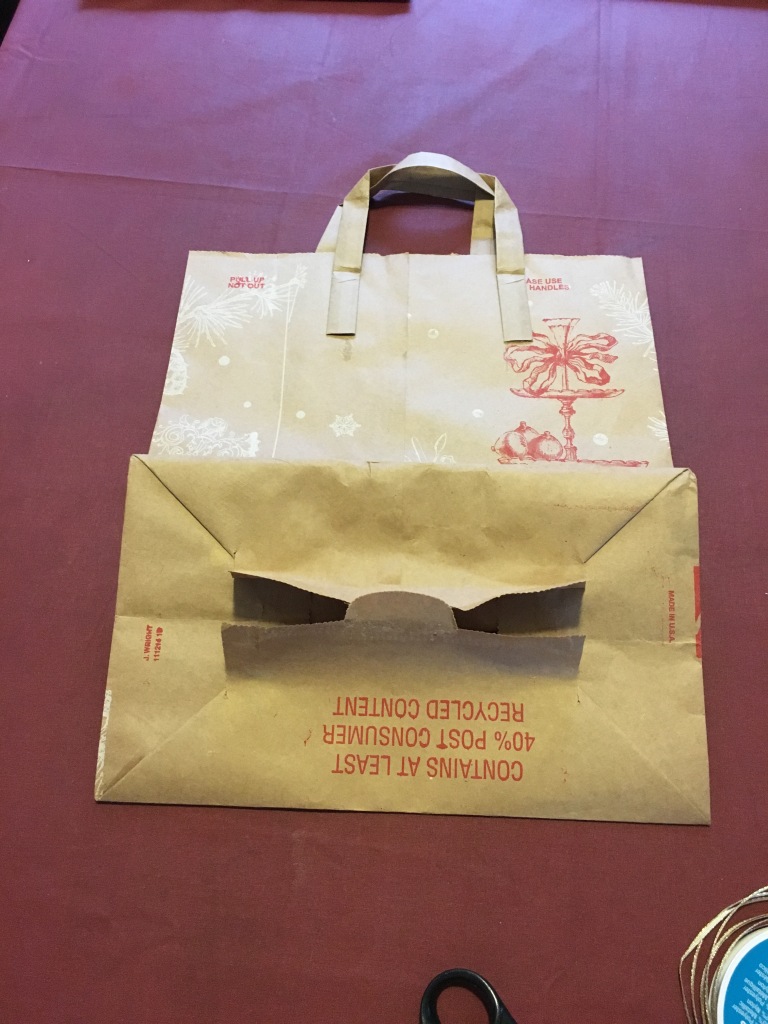
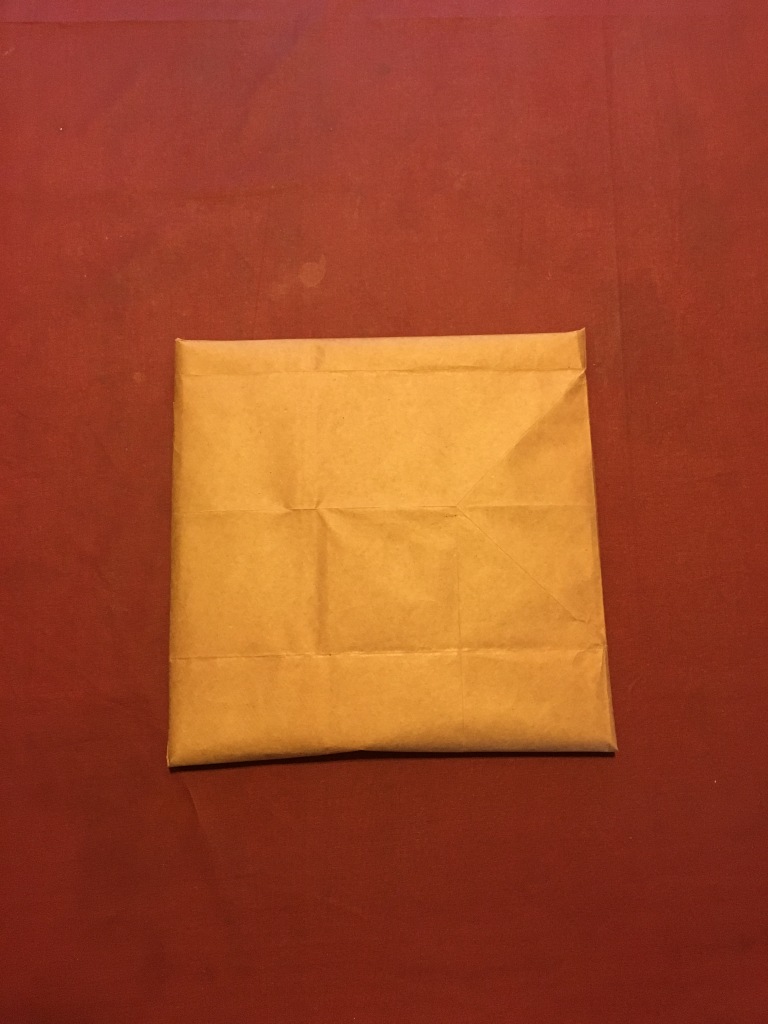
  1. First, you’ll need to flatten the paper bags the best you can and gently open up the glued bottom flap of the bag. 
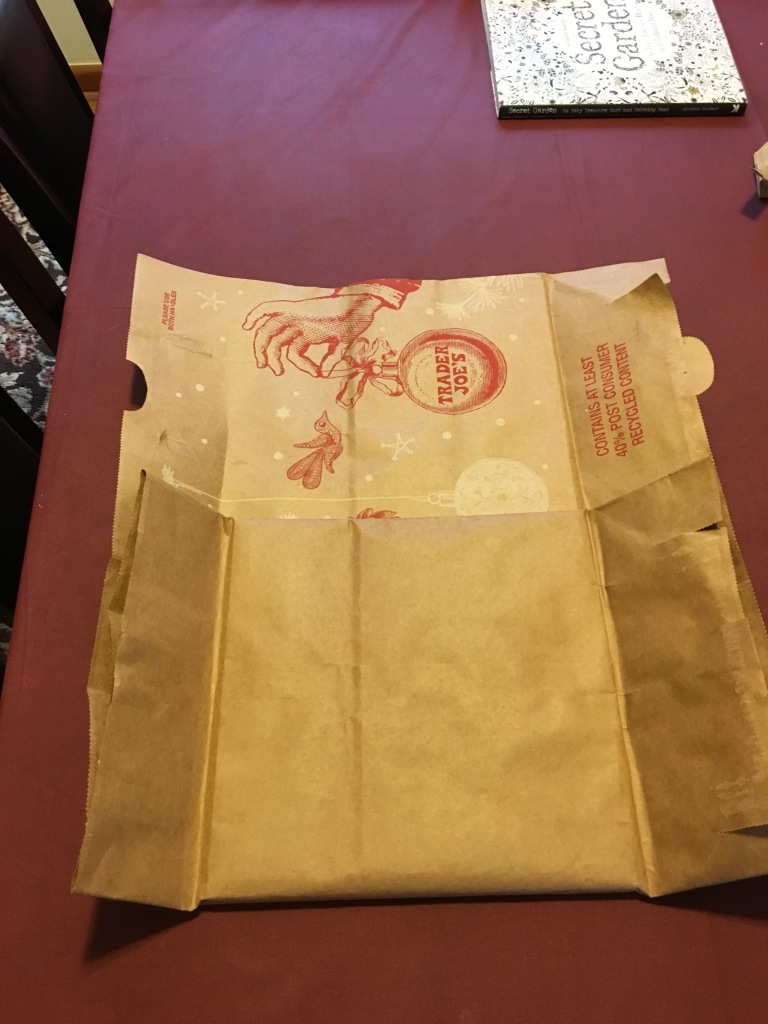
  2. Now flatten the bottom of the bag and the sides until you have a square shaped paper.
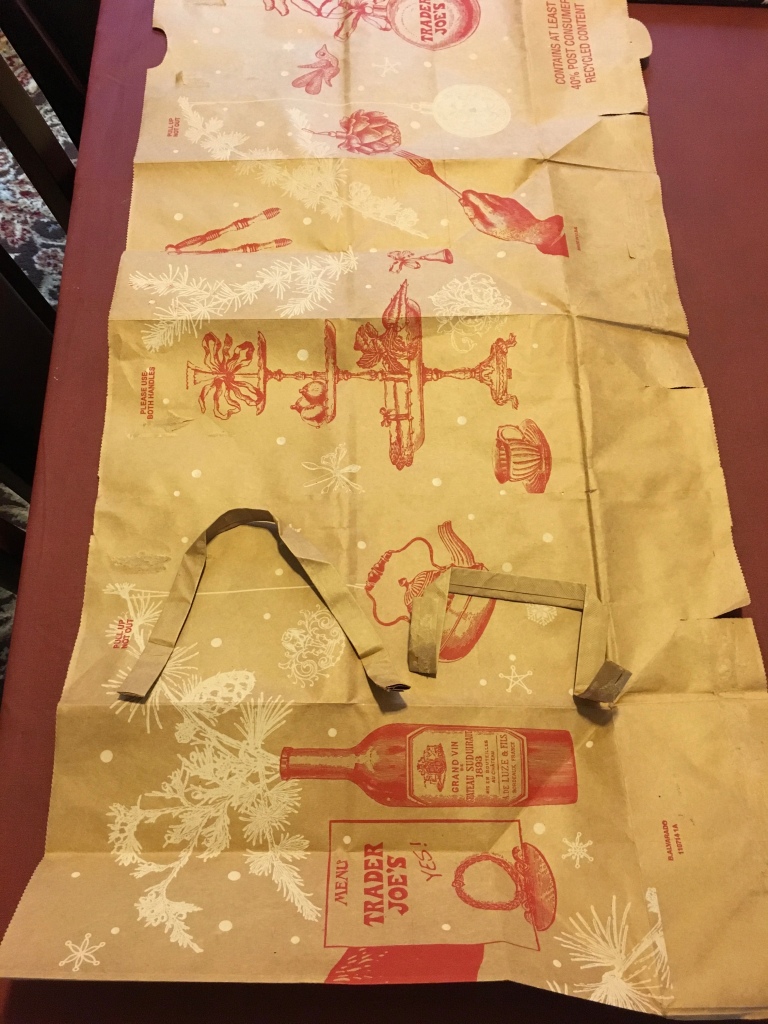
  3. Pick a folded crease and cut open the paper bag, flattening it once again. Also pull off any handles or straps. 
  4. Depending on the size of your gift, you’ll want to adjust the size of the paper accordingly. 
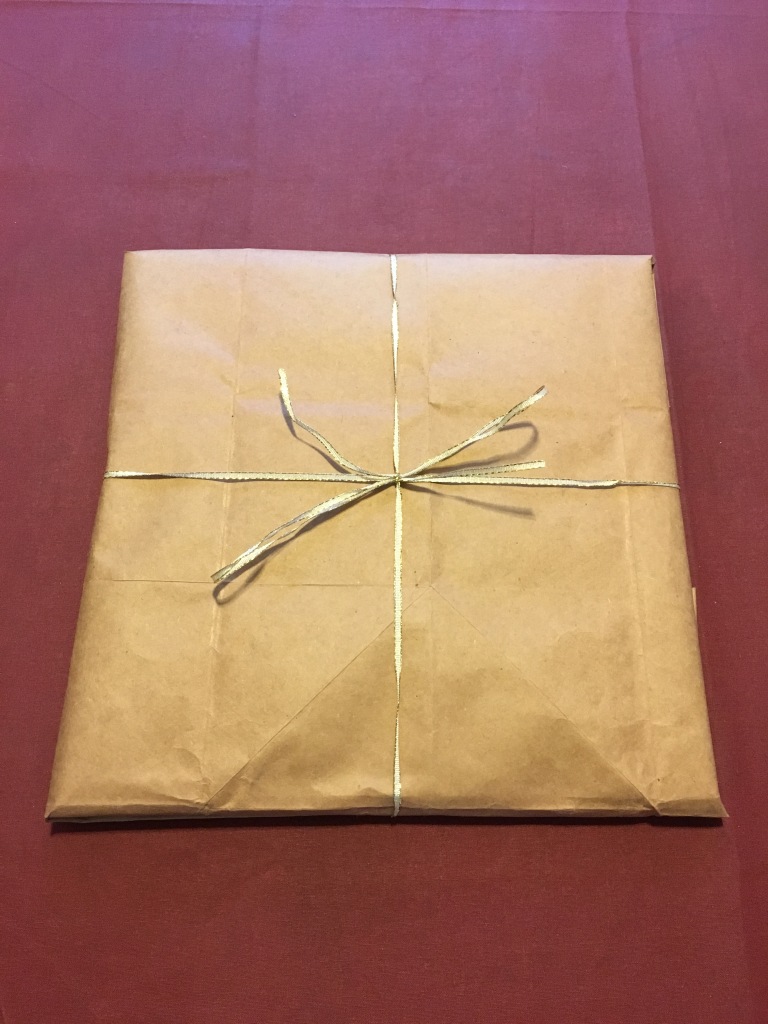
  5. Place your thoughtful gift inside and wrap nicely!
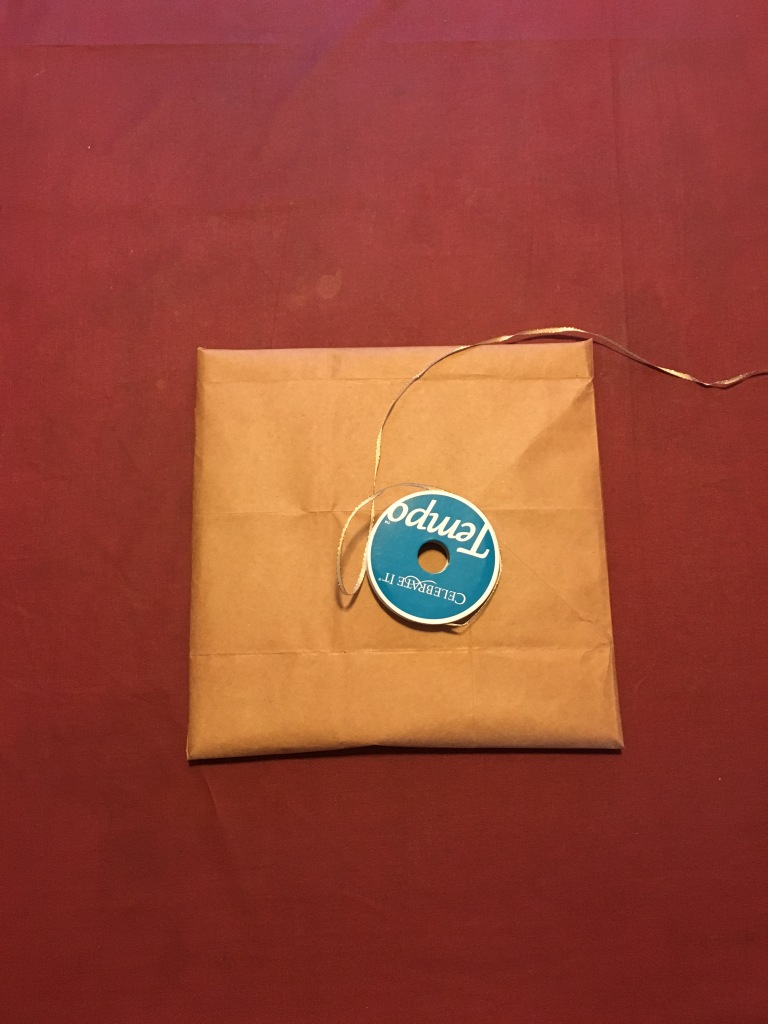
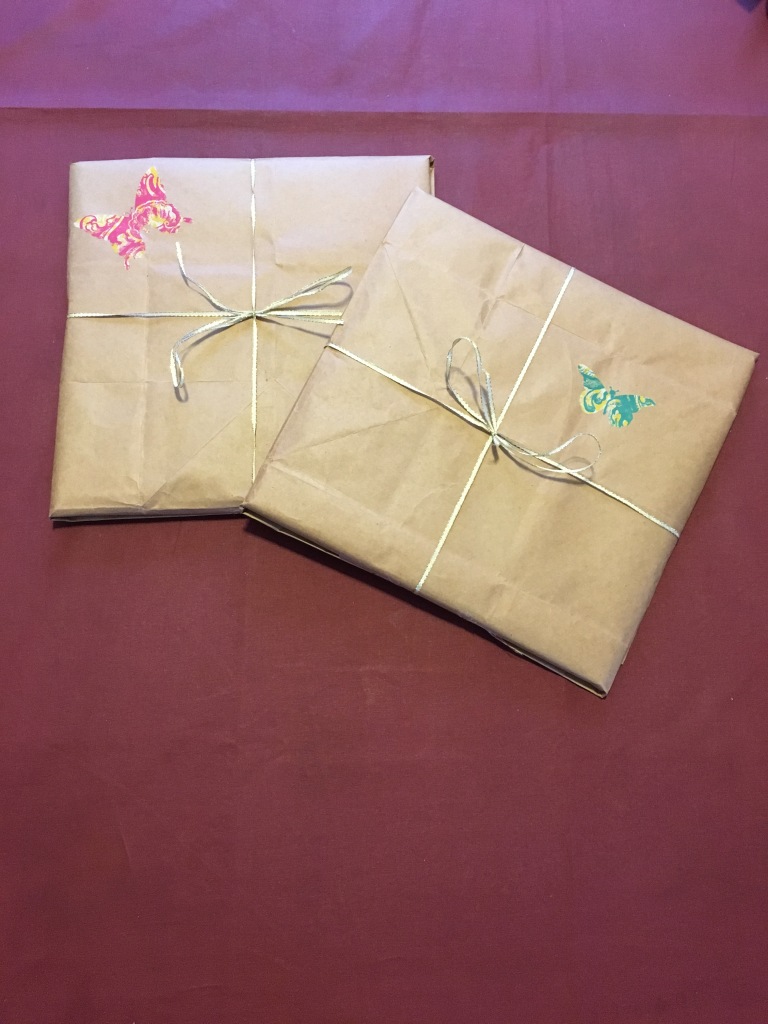
  6. For a personalized touch, use colorful stickers, ribbons, or even hand-drawn doodles to decorate your beautifully wrapped present. Here we went for a simple look but there are no limits to what you can design.

We found that even if we have the time to buy wrapping paper, we prefer doing it this way as it is 1) A great way to reuse and recycle, and 2) It looks awesome! You can even use the printed side of the Trader Joe’s bag since the art work is really pretty and wintery  and cover the “Trader Joe’s” with a gift label.

IMG_0068IMG_0078IMG_0070IMG_0071IMG_0072IMG_0073IMG_0074IMG_0075IMG_0076IMG_0077IMG_0079

If you liked this post please follow us and share!